
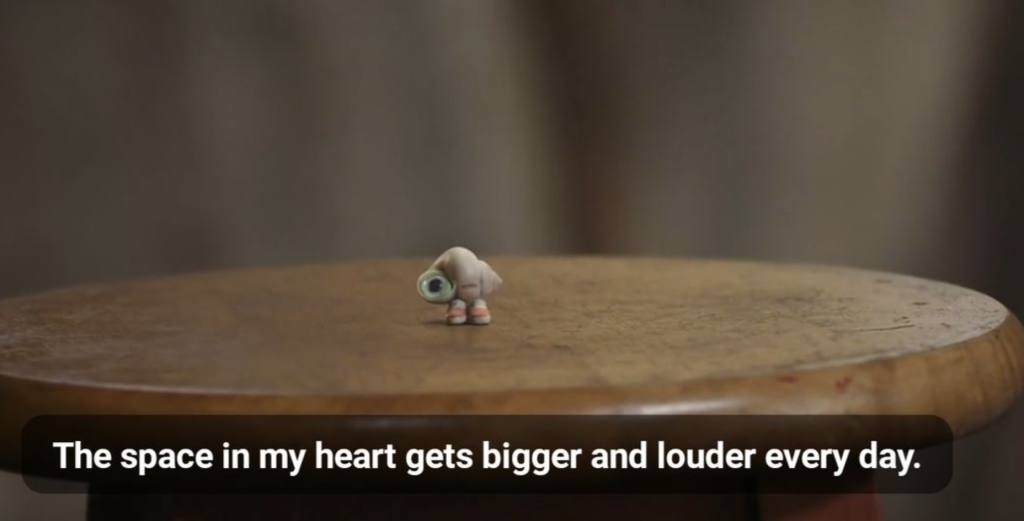
Today, we’re going to talk about something a bit heavier, but it’s really important to unpack for anyone who’s putting their work out there, trying something new, or considering a career change. We’re covering failures and how to overcome them.
What tends to happen after a perceived failure is you get hit with a shame tsunami – an all-encompassing feeling of wanting to curl up inside yourself and hide (at least that’s how I experience it.) Shame is quieter than feelings like sadness or anger, but it can run much deeper and be more paralyzing.
Left unaddressed, shame can dramatically hinder your performance. You might take fewer chances, repeat the same mistakes, or eventually decide to retreat altogether to a path that seems safer. If you’re in the process of doing exactly that right now—don’t worry. That’s totally normal, and it just means your nervous system is trying to protect you. But there is another way, so keep reading.
Here’s what I want you to do next time you feel like you’ve failed. This exercise is adapted from Alyssa Nobriga, and it’s one of the best tools I’ve encountered for creatives, innovators, and those in transition.
Step one – Write down everything you think you should or should not have done. Be thorough! This alone is wildly cathartic. Your list might look something like this:
- I shouldn’t have done that project
- I should have been more focused with my time
- I shouldn’t have pursued that partnership
- I should have created a contract for that partnership
- I shouldn’t have applied for that job
- I absolutely should have applied for that job!!
- … you get the idea 🙂
Step two – Circle the ‘should’ that is most upsetting to you.
Step three – Pause. Ask yourself: What am I avoiding feeling by telling myself this story? This is where the magic starts. The story is protecting you from a feeling that can be gone in as little as 90 seconds – but only if you acknowledge it’s there, and open yourself to it. Most emotions move through the body in short waves when we let them. The key is to gently stop adding more story on top of the feeling. (Sometimes easier said than done and takes practice!)
Step four – Question your thinking. There are one trillion ways to view any situation – but your brain might be stuck on the least empowering option. Start by asking yourself – is your original “should/should not have” statement even true? For example, can you be sure you should have applied for that job? Perhaps not. It’s pretty hard to know anything for sure.
Step five – Now, change your ‘should’ statement to the opposite. For example, “I should have applied for that job” becomes “I shouldn’t have applied to that job.” Then, find three reasons why the opposite version of the statement is true. Importantly, find reasons you actually believe in, don’t fake it.
Step six – Look back at the original event. What worked that you want to remember to do again?
Step seven – With full self-compassion and objectivity, what didn’t work? What did you get to learn with this?
Step eight – How has this experience served you and made you stronger for the next try?
Do this process every time you perceive you’ve failed, and you can reap all the rewards from the ‘fail fast’ ethos. Here are some quotes to further boost you up and help change your outlook on making mistakes:
- “Failure is success in progress.” – Albert Einstein
- “You may encounter many defeats, but you must not be defeated.” – Maya Angelou
- “Do the one thing you think you cannot do. Fail at it. Try again. Do better the second time.” – Oprah Winfrey
- “The secret of life is to fall seven times and to get up eight times.” – Paulo Coelho
The moral of the story is this: you’re going to make mistakes, fail a whole lot, and want to quit and give up over and over. That’s normal and means you’re playing at the edge of your comfort zone and ability. You’re growing, and growth is key to your fulfillment.
I hope you found this useful. I truly don’t want you to give up on whatever it is you’re doing right now. The whole world benefits when you do you.
If you want to experience the full version of this exercise and get my help completing it, join my upcoming training! We’ll meet for a power hour together on Friday, April 17 from 9AM-10AM PST.
See you soon and HAPPY MONDAY.
Kit
Ps – If your ‘failure’ involves serious harm, trauma, or addiction, you might want to walk through this with a therapist, sponsor, or trusted guide. You don’t have to do this alone. You can always reach out to me for a referral if needed.

